
Wide-Angle vs. Tilt-Shift Lenses for Shooting Chapel Architecture
Wide-angle zooms and tilt-shift lenses both fit a chapel into one frame, but they solve perspective, keystone, and cost problems in very different ways.
A chapel rarely hands you space. The nave is narrow, the pews leave an aisle barely wide enough for a tripod, and the best view of the vault sits somewhere behind the third row. You cannot back through a stone wall, so the lens does most of the deciding for you. Two families of glass handle the job: fast wide-angle zooms and slower, manual tilt-shift lenses. Both fit a lot of chapel into the frame, and both fail in very different ways. Knowing which to pack, and when to switch, is most of what separates a usable architectural frame from one that needs an hour of repair later.
Two Tools, Two Very Different Jobs
A rectilinear wide-angle — a 16–35mm, a 14–24mm, something in that territory — fills a wide field of view while keeping straight lines reasonably straight. It autofocuses, often opens to f/2.8, works handheld, and lets you move quickly. Chapels reward all of that.
A tilt-shift lens performs two separate mechanical tricks. Shift slides the optics sideways or upward relative to the sensor, letting you keep the camera perfectly level and still capture the peak of a gable or the ribs of a vault. Tilt rotates the lens relative to the sensor, which moves the plane of focus — handy for running sharpness along a receding floor or down a row of columns.
The price of that control: most tilt-shift lenses are manual focus only, the movements are set with small knobs and locking screws, and you will want a tripod under the camera almost every time.
Perspective Distortion and the Keystone Problem
Point a camera upward at a building and the vertical lines lean inward toward the top. This is keystoning, and it is a camera-angle problem rather than a lens flaw — any lens will do it. Wide-angles simply make it obvious, because you are usually close to the subject and the frame is crowded with converging verticals.
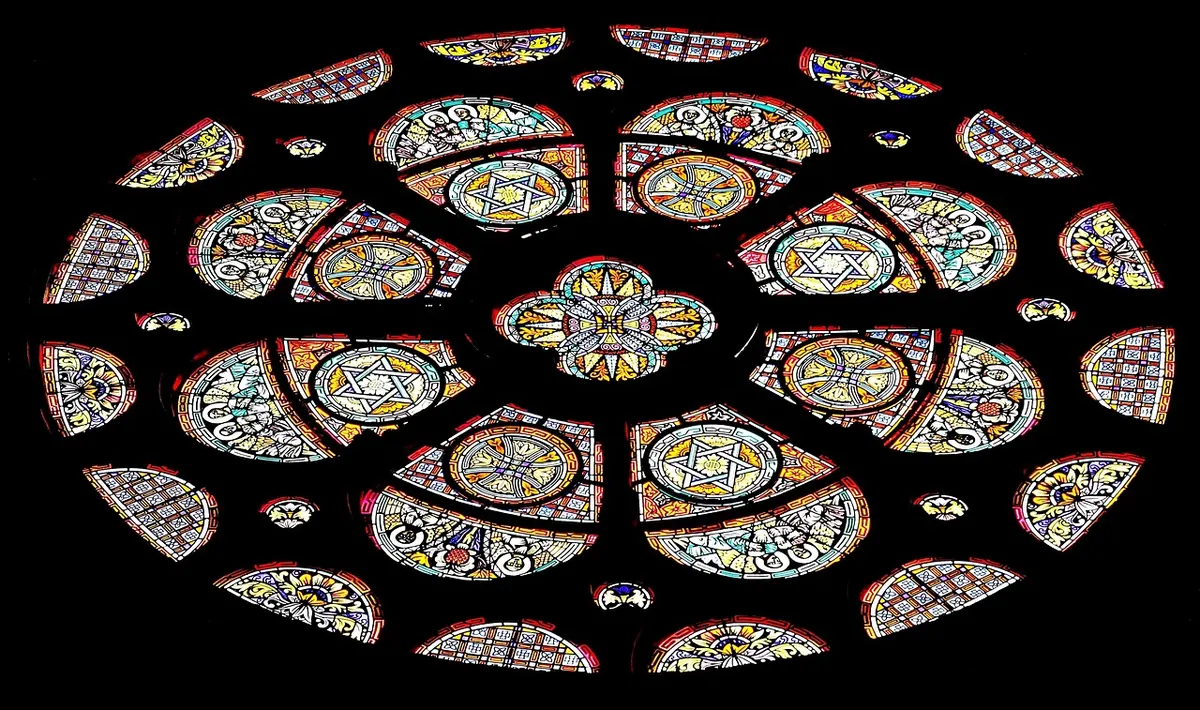
Wide glass adds its own habits. Subjects near the frame corners get stretched: a face goes long, a processional cross bows outward, and a perfectly round rose window can look faintly oval at the edges. Used deliberately, that near-far exaggeration gives real drama to a nave shot, pulling the viewer from the back pew toward the altar. Used carelessly, it turns an acolyte at the frame edge into a caricature.
The tilt-shift answers all of this by refusing the tilt in the first place. Set the tripod so the sensor is parallel to the facade, then use rise to lift the framing until the spire fits. Verticals stay vertical, in camera, with no cropping afterward.
There is an important nuance here. A wide-angle on a level tripod also produces straight verticals — that part is free. What the shift lens actually buys you is the ability to stay level and frame the top of the building, instead of filling the bottom third of the picture with flagstones you will crop away later.
Correcting in Camera or Correcting Later
Software keystone correction is genuinely good now, and for a web gallery or a printed bulletin cover it is often the sensible choice. But it is not free. Correcting a strongly converging frame means cropping, resampling, and stretching pixels that were already the softest part of the image. Corners suffer first, and the composition you carefully framed is not the composition you end up with.
In-camera shift keeps the full resolution, keeps the framing visible while you shoot, and keeps the geometry honest from the start. That matters most when the picture is going to be printed large, handed to a conservation architect, or reproduced in a guidebook where the building's proportions are part of the point.
When the Wide-Angle Is the Right Call
Reach for the wide zoom in these situations:
- Services and processions. People move, candles flicker, and the light is often poor. Autofocus and a fast maximum aperture matter more than perfect geometry.
- Tight side chapels, crypts, and sacristies. When you are pressed against a wall, you need every degree of view you can get.
- Altar shots from the rear of the nave. Standing at the back door, the wide zoom includes the whole chancel without a shift movement that would cut off the pulpit.
- Three-quarter exterior views shot from across the street, where you are not fighting converging verticals head-on.
- Travel and quick work. One wide zoom in the bag weighs less than a shift lens plus the tripod you will actually need to use it properly.
A practical trick: keep the camera level, accept the extra floor in the frame, and crop later. It costs you pixels, but it costs you nothing in straight lines.
When the Tilt-Shift Earns Its Place
There are chapel pictures that a wide-angle simply cannot take cleanly:
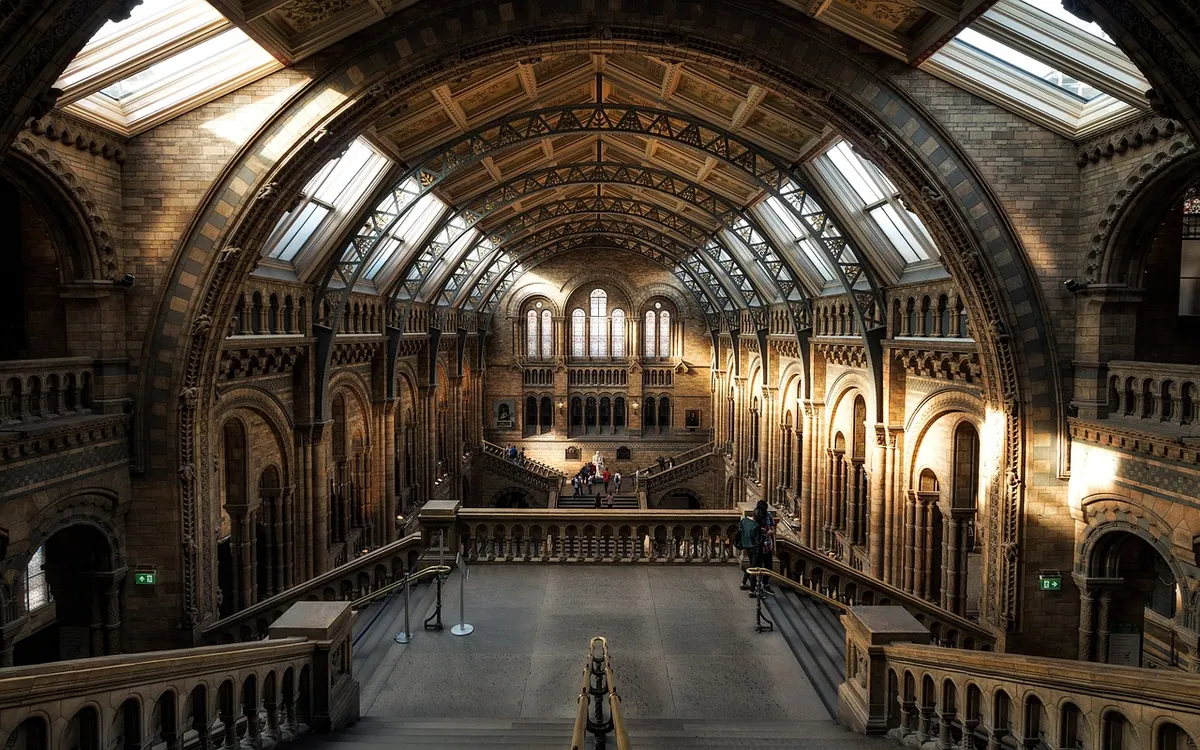
- The symmetrical head-on nave. One-point perspective, both side walls converging evenly, the aisle dead centre. Keystoning wrecks this frame faster than any other.
- Facades from pavement level. You have to stand close, you have to be level, and you still need the tower in the picture. Shift does exactly that.
- Shift-stitched panoramas. Three frames, shifted left, centre, and right, with no rotation of the camera between them. The merged result has cleaner joins than a rotating panorama because the perspective never changes.
- Selective focus with tilt. Lay the plane of focus along a receding floor, or angle it to hold a foreground step and the altar rail sharp at the same time without stopping down to f/16.
- Longer shift lenses for details — a 45mm or 90mm shift on a tomb monument or a high clerestory window keeps the stonework square while filling the frame.
If you shoot mirrorless, adapted manual shift lenses from older systems are worth a look. Focus peaking and magnified view make manual focusing far less painful than it used to be on a ground glass.
What It Costs You: Money, Weight, and Time
Tilt-shift lenses are niche products built in small numbers by a handful of manufacturers, and they are priced accordingly. Expect to pay noticeably more than for a comparable wide zoom. They are also heavier, they do not autofocus, and most lack image stabilisation. Used copies hold their value well, which softens the sting if you buy one, use it for a few seasons, and resell. But do not treat it as a cheap experiment.
The hidden cost is time. Each shift frame takes minutes: level the tripod, set the shift, lock the knobs, focus manually at shooting aperture, then check all four corners at 100 percent. In an empty chapel at dawn that is a pleasure. During a wedding rehearsal it is a problem.
Wide zooms are quicker, lighter, and cheaper, and they cover most of what a chapel shoot demands. A sensible kit for a serious amateur or working photographer is one fast wide zoom plus a single shift lens in the focal length used most.
A Practical Approach for Your Next Chapel Shoot
- Scout with the wide zoom. Walk the nave, the aisles, and the gallery if you can get up there. Find the two or three frames that matter.
- Decide per shot whether the verticals must be dead straight. Symmetry and facade shots say yes. Documentary and worship shots often say no.
- Level before you compose. Use the tripod head's bubble or the in-camera level, get the sensor parallel to the wall, then use shift to frame upward.
- Stop down more than you think. f/8 to f/11 is the usual sweet spot for church interiors; focus roughly a third into the depth of field and check the corners.
- Leave the wide-angle on for anything moving. Switch to the shift lens when the building is still, the tripod is down, and the geometry matters.
- If you must correct in post, do it before cropping and sharpening, then recheck the verticals after the crop — correction changes what "straight" looks like in the frame.
You do not need both lenses to make good chapel photographs. A level tripod and one wide lens, used with patience, will beat an expensive shift lens used carelessly every time. But if chapels are your subject rather than your holiday, the shift lens eventually pays for itself — in straight columns, uncropped frames, and evenings you get back instead of spending them in front of a correction slider.
Photo: juergen-polle / Pixabay