
How the Reformation Reshaped Chapel Interiors — and What to Look For
The Reformation turned painted, altar-filled churches into limewashed rooms built around the pulpit — and left traces that chapel photographers can still find and frame.
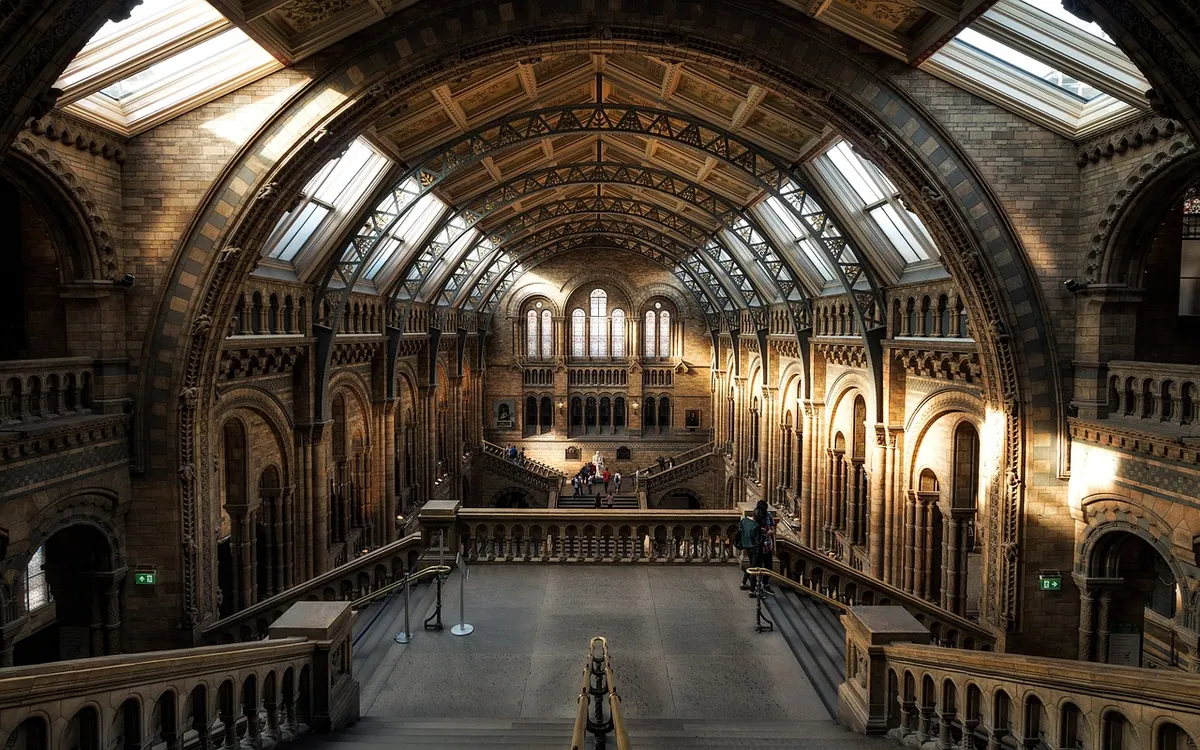
Walk into a late medieval church and you are standing inside a painted argument. A doom scene sprawls over the chancel arch, saints fill every window, side altars crowd the aisles, and a rood screen keeps the people at a respectful distance from the mystery. Now walk into a Reformed chapel of sixty years later. Limewashed stone. Clear glass. A pulpit, a wooden table, and benches angled to hear.
That difference is not a matter of taste. It is theology hardened into masonry, and it is one of the most photographable stories in church architecture — if you know where to point the lens.
What the Reformation Actually Changed
The reformers of the sixteenth century disagreed with each other about a great deal, but several practical conclusions kept arriving at the same place. If salvation is received by grace through faith, and if the preached Word is the ordinary means of that grace, then the room should serve listening. The Mass understood as a repeated sacrifice, the intercession of the saints, and the accumulated merit of images and relics all lost their footing — and the furniture went with them.
The architectural consequences are remarkably consistent across Lutheran, Reformed, and Anglican settlements:
- Stone altars taken down and replaced with a movable communion table
- Rood screens, lofts, and side altars dismantled
- Wall paintings limewashed, scraped, or both
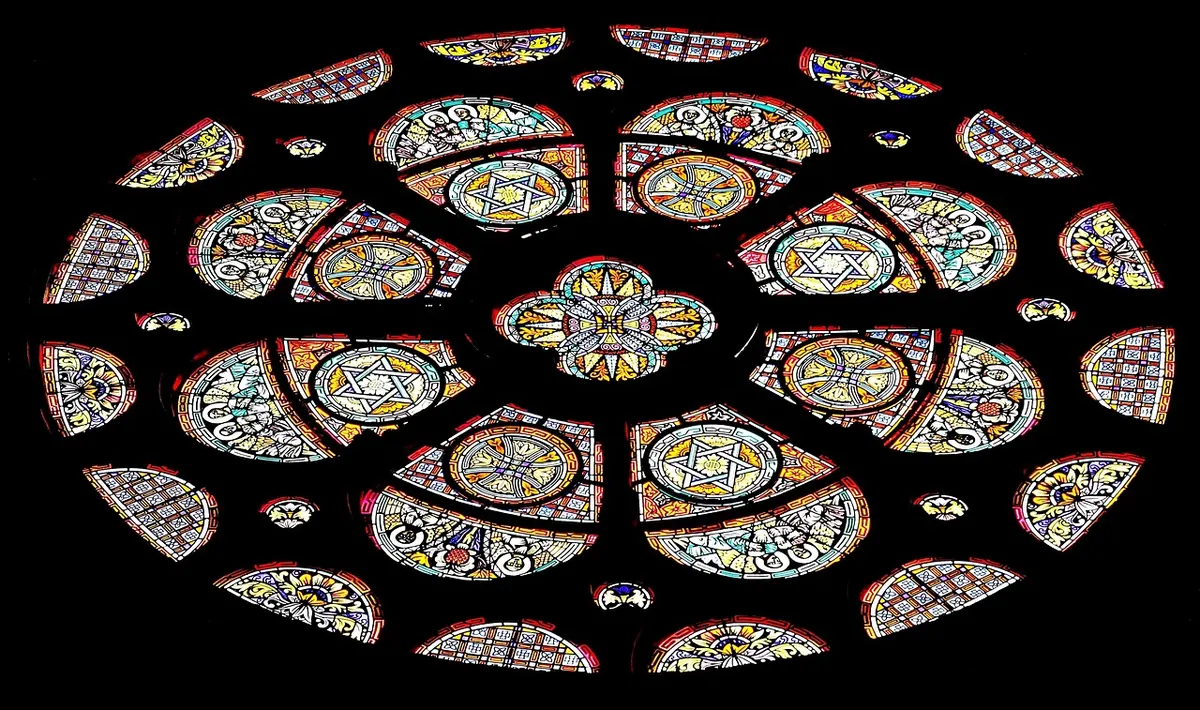
- Stained glass broken out and reglazed with plain or lightly tinted quarries
- Statues, shrines, and image brackets stripped from niches
- Pulpits enlarged or newly built, often with a reading desk beneath
- Seating turned to face the pulpit rather than the altar
Lutheran territories kept more than Reformed ones: crucifixes, painted altarpieces, and organs often survived intact. Zurich under Zwingli, Calvin's Geneva, Scotland after 1560, and the Low Countries during the iconoclastic outbreaks of 1566 went considerably further. England swung back and forth. Edward VI's injunctions ordered altars replaced; Mary restored them; the Elizabethan settlement landed somewhere in between, leaving many parishes with a table, a surplice, and a great deal of whitewash on the walls.
Reading a Whitewashed Wall
Whitewash is forgiving. It covered medieval painting without destroying it, and in hundreds of buildings the colour has since crept back into view — through damp, through fallen plaster, or through a Victorian restoration that stripped too enthusiastically. This is where a plain interior stops being plain.
Look for:
- Faint red ochre outlines of figures, usually clearest in raking light from a low side window
- Consecration crosses — simple painted crosses inside a circle, spaced at intervals along the walls
- Bracket holes and shadow outlines where a statue or image once stood
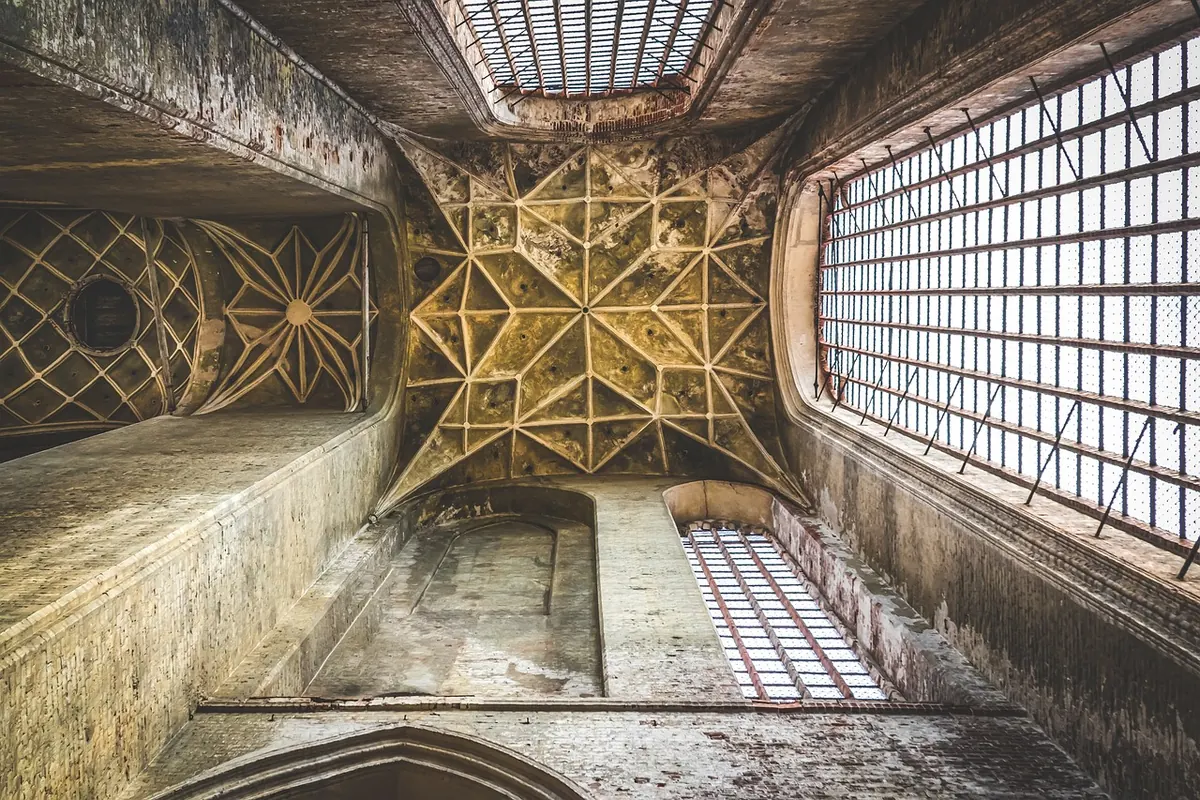
- Blocked doorways and stub stair turrets; the rood loft stair is often still there, cut off at the top
- Piscinas and aumbries, the small stone basin and cupboard left behind when the altar went
- Changes of floor level where a chancel step or altar platform was removed
Shoot these on a tripod with a long exposure where the light allows. A polarising filter earns its keep here: modern emulsion over old limewash produces a glossy glare that flattens exactly the texture you are trying to record.
The Chapel as a Reformation Building
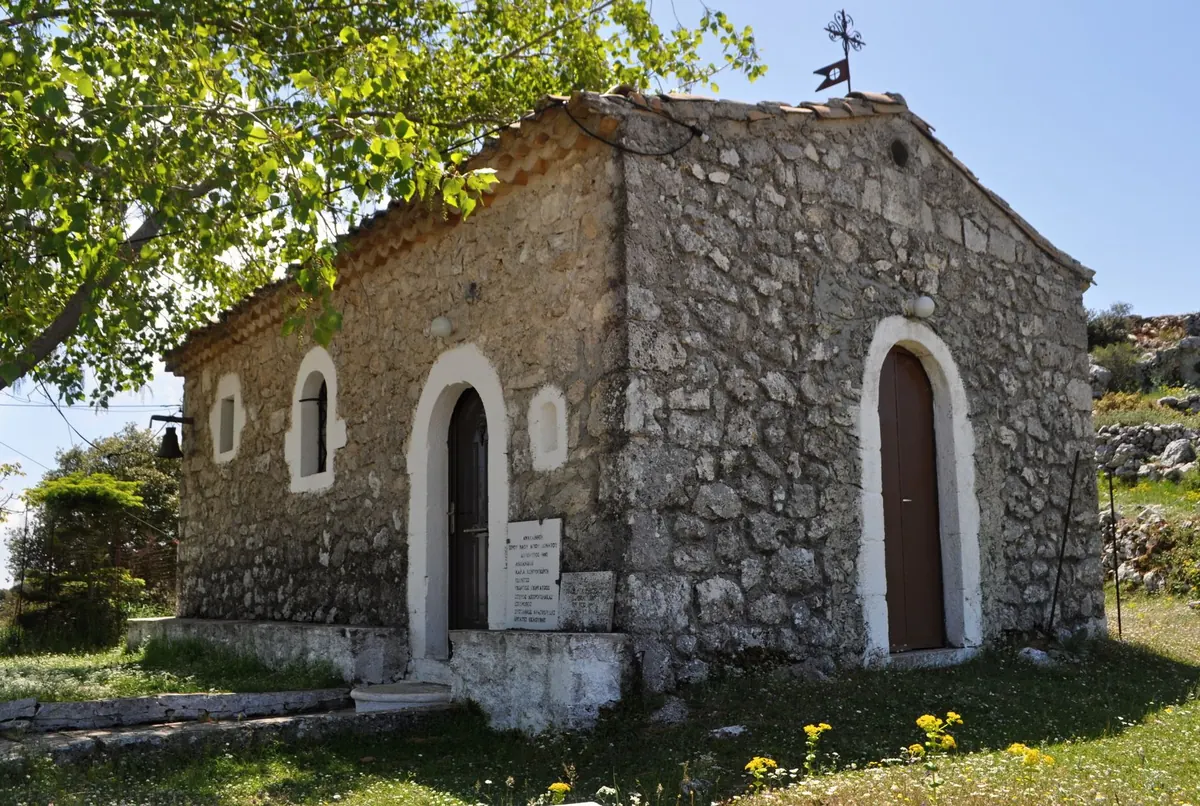
Nonconformist chapels — Welsh chapels, Methodist preaching houses, Presbyterian meeting houses — inherited this plainness and pushed it further. They were built after the Reformation, so there was nothing medieval to strip; the aesthetic arrived ready-made. Preaching box, gallery, clear windows, pale walls, a table rather than an altar, no chancel and no screen. A nineteenth-century Welsh chapel interior is the Reformation's logic condensed into a single room: everything arranged for listening.
The same instinct reshaped how artists saw these spaces. Pieter Saenredam painted the whitewashed interior of St Bavo's in Haarlem in the seventeenth century as a subject in its own right — light on bare stone, the geometry of a room with nothing to distract from it. His paintings are still a useful reminder that emptiness has composition.
Photographing Plain Interiors
Bare rooms are harder to photograph than busy ones. There is less to hide behind, and a single weak composition has nowhere to go. A few habits help:
- Meter for the walls, then bracket. Limewash and white emulsion read much brighter than the camera expects, and the meter will drag your exposure down until the room looks grey.
- Use windows as deliberate light sources. In a Reformed interior the pulpit is usually lit and the table sits in softer light; that asymmetry is the point, so compose with it rather than fighting it.
- Shoot the glass twice. One frame for the window detail and one for the room, blended later — or simply photograph the window alone at close range.
- Find the new axis. Line up pulpit to table. It replaced the old altar-and-cross line, and it tells the viewer what the room is for.
- Go close. Leaded quarries, brush marks in limewash, worn bench ends, and flakes of earlier paint reward a macro lens more than another wide shot.
- Watch your verticals. Wide lenses in tall rooms invite convergence; keep the camera level and correct the rest afterwards.
- Leave things where they are. Hymn books, flowers, and an odd kneeler are honest. Rearranging a room for a photograph is not.
On Your Next Visit
Start by walking the walls before you unpack the camera. Note where the plaster changes colour, where a doorway has been filled, where the floor steps up for no obvious reason. Those small interruptions are usually the Reformation showing through, and they make better photographs than a wide shot of an empty nave.
One caution worth carrying with you: not every plain interior is a Reformation interior. Victorian restorations, twentieth-century reorderings, bomb damage, and simple poverty have all emptied rooms that were once busy. Date the fabric where you can — a thirteenth-century chancel arch with a sixteenth-century table beneath it tells you far more than the bare walls alone. And check access before you travel: many of these buildings are locked except for services, and the person with the key is often the best source of local history you will find all day.
Photo: analogicus / Pixabay